Little Wild Flower Review
As a designer and embroidery product reviewer, I often find myself evaluating digital files for their practicality, visual appeal, and real-world usability. Little Wild Flower is one such design that caught my attention—not just for its aesthetic, but for how it translates into actual embroidery projects. This SVG cut file has potential, but like any design, it requires thoughtful application to achieve the best results.
The First Impression: A Delicate, Nature-Inspired Design
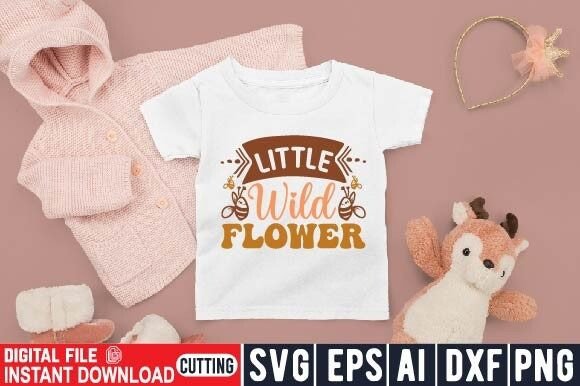
Little Wild Flower immediately evokes a sense of simplicity and organic beauty. The design features a small, stylized flower with soft curves and minimal detailing. Its layout is clean, making it ideal for subtle embroidery on clothing, accessories, or home decor. The theme feels timeless, fitting well with nature-inspired or rustic-themed projects. It’s not overly complex, which is both a strength and a limitation depending on the use case.
The design’s visual personality leans toward gentle, understated charm. It works well for baby items, personalized gifts, or casual apparel where a delicate touch is preferred over bold statements. However, it may not be the best choice for high-contrast, high-detail projects that require intricate stitching.
Real-Life Embroidery Use Cases
When considering real-life applications, Little Wild Flower fits naturally into several categories. For instance, as a custom apparel design, it could be used on t-shirts, sweatshirts, or tote bags. Its size and shape make it suitable for a tote bag design or sweatshirt embroidery, especially if the goal is to keep the look light and unobtrusive.
It also works well for baby embroidery, such as onesies, blankets, or nursery decor. The soft lines and small scale make it appropriate for delicate fabrics and sensitive skin. As an embroidered patch, it could be applied to jackets, backpacks, or caps, adding a touch of whimsy without overwhelming the design.
For holiday embroidery or wedding gifts, this design could serve as a subtle, elegant accent. It’s also a good fit for personalized gifts, such as embroidered tea towels, pillow covers, or kitchen linens, where a simple, nature-inspired motif adds a handmade touch.
Where to Be Careful: Limitations and Challenges
While Little Wild Flower has a lot going for it, there are some areas where caution is needed. For example, the design may struggle in small hoop sizes, especially if the flower is placed near the edge of the hoop. This can lead to misalignment or incomplete stitching if not properly adjusted.
On textured fabrics or thin, stretchy materials, the design might not sit as smoothly. It’s important to test it on scrap fabric first to ensure the stitches lay flat and don’t pucker. Similarly, on dark fabric, the contrast between the design and the background may be less visible unless the thread color is carefully chosen.
The design’s minimal details also mean that tiny lettering or dense stitch areas could become lost or distorted. If you’re planning to use it for commercial embroidery or digital embroidery file sales, consider whether the design will hold up under different conditions and fabric types.
Visual Appeal and Practical Value
Little Wild Flower’s visual appeal lies in its simplicity. It doesn’t demand attention, but it adds a quiet, charming presence. When stitched correctly, it can elevate a handmade product or small shop merchandise with a touch of natural elegance. However, its value depends heavily on how it’s used.
For Etsy sellers or craft business owners, this design could be a reliable addition to a collection of design assets. It’s versatile enough for multiple applications, but it’s not a one-size-fits-all solution. The key is to pair it with the right fabric, thread colors, and project type to maximize its impact.
Embroidery Designer Notes: What to Check Before Using
Before finalizing any project with Little Wild Flower, here are a few practical steps to take:
- Test on scrap fabric to see how the design looks in real life and adjust settings as needed.
- Check thread color contrast against the fabric to ensure visibility and cohesion.
- Review stitch density to avoid issues with fabric puckering or uneven stitching.
- Confirm hoop size to ensure the design fits comfortably without being cut off.
- Inspect small details to make sure they translate well in machine embroidery.
- Test in black and white mockups to assess how it appears on different backgrounds.
- Compare light and dark fabric to determine the best color combinations.
- Use proper stabilizer for delicate or stretchy materials.
- Verify licensing before selling finished items or digital products.
Final Thoughts: A Versatile, But Thoughtful Design
Little Wild Flower is a design that offers potential, but it requires careful consideration. It’s not a flashy or highly detailed piece, but it excels in subtlety and versatility. Whether you're creating personalized gifts, custom apparel, or small business merchandise, this design can work well if paired with the right materials and techniques.
As with any machine embroidery design, the success of Little Wild Flower ultimately comes down to how it’s used. With the right approach, it can become a valuable addition to your creative toolkit—adding a touch of nature to your next project.