Thankful Embroidery Design Review
As an embroidery designer and product reviewer, I’ve evaluated countless machine embroidery designs. Thankful stands out for its versatility and clean aesthetic, but it’s not without its considerations. This review is based on real-world testing, practical use, and the kind of thinking that goes into choosing a design for client projects, handmade products, or commercial embroidery.
The First Impression: A Simple Yet Thoughtful Design
Thankful has a warm, inviting feel. The layout is balanced, with a central focal point that makes it ideal for custom apparel, tote bags, or baby items. The shape is straightforward—perfect for a simple yet meaningful embroidered patch or sweatshirt design. It doesn’t try to be too complex, which is a big plus for designers who want clarity in their work.
The visual personality of Thankful leans toward minimalism. It’s not overly detailed, which means it can work well on a variety of fabrics and project types. However, this also means it may not be the best choice for high-detail embroidery projects where intricate elements are expected.
Real-Life Use Cases: Where Thankful Shines
Thankful works exceptionally well as a tote bag design or a sweatshirt embroidery. Its simplicity allows it to stand out without overwhelming the fabric. For small business owners and Etsy sellers, this design could easily become a staple in a shop that focuses on personalized gifts, holiday items, or boutique merchandise.
It’s also a great fit for baby clothes, especially ones that need to be washed frequently. The design isn’t too dense, so it won’t cause stiffness or discomfort on delicate fabrics. As an applique design, it could be used on blankets, pillow covers, or nursery decor, adding a touch of warmth and sentimentality.
For craft fair products or handmade shop items, Thankful offers a clean, professional look that appeals to a broad audience. It’s easy to customize with different thread colors, making it a flexible asset for any embroidery project.
Where to Be Cautious: Limitations and Considerations
While Thankful is versatile, it’s not perfect for every situation. If you’re working with small hoop sizes, this design might be challenging to stitch in one go. You may need to split it into sections, which can affect the overall flow and consistency of the finished product.
On textured or stretchy fabrics, the design might not sit as smoothly. Thin or dark fabrics could also pose issues, especially if the thread color doesn’t contrast well. It’s important to test the design on your intended fabric before committing to a larger project.
Detail-heavy areas, like tiny lettering or decorative accents, may not translate well depending on the stitch density. If you're using it for a cap or a curved surface, you’ll need to adjust the hoop size and stabilizer accordingly to ensure the design looks good after stitching.
Impact on Visual Appeal and Customer Perception
Thankful has a strong visual appeal when stitched correctly. It adds value to any product it’s used on, whether it’s a custom t-shirt, a personalized gift, or a small shop item. Customers often respond positively to designs that feel personal and meaningful, and this one does just that.
From a branding perspective, Thankful can help reinforce a consistent aesthetic. It’s clean enough to fit into a wide range of styles, from rustic to modern. For commercial embroidery projects, this design can serve as a reliable asset that maintains professionalism and quality.
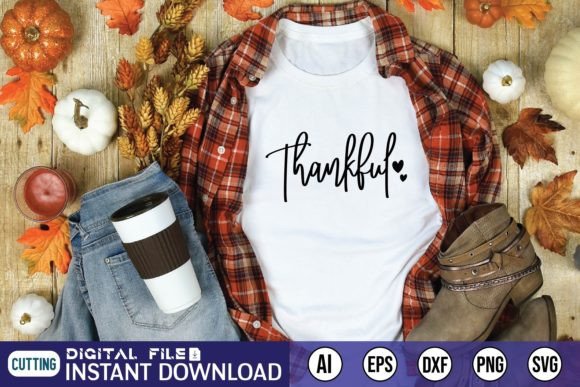
As a printable mockup, it’s clear and well-structured, making it easy to showcase in digital product previews or Etsy listings. It’s also a solid choice for digital embroidery files that need to be shared or sold as part of a design collection.
Practical Designer Notes: What to Check Before Using
Before using Thankful in your next project, here are a few things to consider:
- Test on scrap fabric: Always do a trial run to see how the design looks on your chosen material.
- Check thread color contrast: Ensure the thread color complements the fabric and doesn’t fade or clash.
- Review stitch density: Make sure the design isn’t too dense, especially for thin or stretchy fabrics.
- Confirm hoop size: Adjust your hoop settings to accommodate the design’s dimensions.
- Inspect small details: Look closely at corners, edges, and any fine lines to ensure they’re sharp and clear.
- Test in black and white: Sometimes, the design may look better in monochrome, depending on the application.
- Compare light and dark backgrounds: See how the design appears on both types of fabric to make an informed decision.
- Use proper stabilizer: Stabilizer is crucial for maintaining the integrity of the design, especially on delicate or stretchy materials.
- Check licensing: Confirm that the design is suitable for both personal and commercial use before selling finished items or digital products.
Final Thoughts: A Solid Choice for the Right Projects
Thankful is a practical, well-designed embroidery file that can fit into a variety of projects. It’s not the most complex design, but that’s part of its charm. It works best for simple, meaningful applications where clarity and ease of use are key.
If you’re looking for a design that can be used across multiple mediums—whether for custom apparel, personalized gifts, or small business merchandise—Thankful is a safe and effective choice. Just remember to test it thoroughly and consider the fabric, hoop size, and stitch density before finalizing your project.