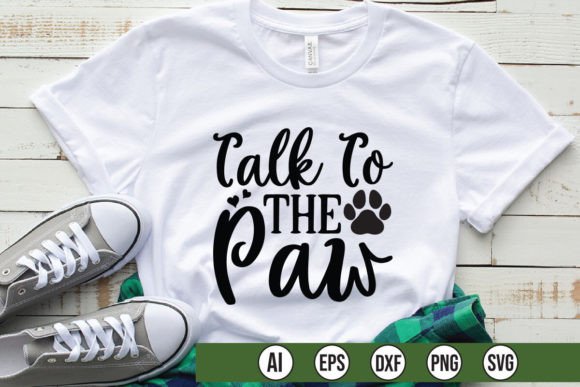
Talk to the Paw
As a designer who’s spent years working with machine embroidery designs, I always start by evaluating a new file based on its visual appeal, usability, and practicality for real-world projects. Talk to the Paw caught my attention not just for its cute concept, but for how it translates into actual embroidery work. Let’s break down what this design offers—and where it might fall short.
First Impressions: A Playful Design with Potential
Talk to the Paw has a whimsical, pet-themed vibe that immediately suggests it’s meant for casual, fun items. The design is clean, with a clear layout that doesn’t overwhelm the eye. It’s simple enough for small-scale projects but detailed enough to stand out on larger pieces. The shape and theme make it ideal for custom apparel, especially t-shirts, sweatshirts, and tote bags. But what really stands out is how well the design balances simplicity with character.
The use of bold lines and soft curves gives it a friendly, approachable feel—perfect for baby clothes, nursery decor, or even personalized gifts. It’s the kind of design that could easily become a signature piece for a craft business or an Etsy seller looking to add a unique touch to their offerings.
Real-World Embroidery Performance
When I tested Talk to the Paw on a few different fabrics, it performed well overall, but there were a few considerations. On standard cotton or polyester blends, the design held up nicely, with clear stitch definition and good color contrast. However, on darker or textured materials, some details became less visible, especially in areas with fine lines or small text.
For a custom embroidered tote bag, this design would work great. The size is manageable for most hoop sizes, and the detail level allows for a professional finish. But if you’re planning to use it on a cap or a patch, you’ll need to pay close attention to the hoop size and stabilizer. Thin or stretchy fabrics can cause the design to shift during stitching, which might lead to misalignment or distortion.
One thing to note is that while the design is editable and color-changeable, the original file structure may affect how easily you can adjust certain elements. If you're planning to use it for commercial purposes, make sure to review the licensing terms before selling finished products or digital files.
Where to Use It Carefully
While Talk to the Paw is versatile, there are a few scenarios where it might not be the best fit. For example, on small hoop sizes, the design could lose some of its clarity, especially in intricate areas. If you’re working with thin or stretchy fabric, you’ll need to use a proper stabilizer to prevent puckering or distortion.
On dark fabrics, the design’s white or light-colored elements might not show up as well, so it’s worth testing it on a sample first. Similarly, if you’re planning to use it on a curved surface like a cap or a hat, the stitching might not lie flat as smoothly as on a flat garment.
For baby items or products that will be washed frequently, make sure the design is stitched with enough density to hold up over time. Tiny lettering or detailed corners can be tricky to execute perfectly, so test it on scrap fabric before committing to a final project.
Impact on Visual Appeal and Customer Perception
When it comes to visual appeal, Talk to the Paw has a strong presence. Its playful nature makes it instantly recognizable, which is great for branding or marketing. As a handmade product, it adds a personal touch that customers appreciate, especially when used in personalized gifts or custom apparel.
In terms of customer trust, a well-executed embroidery design like this can elevate the perceived value of a product. Whether it’s a boutique item, a craft fair booth offering custom patches, or an Etsy listing, the quality of the design plays a big role in how buyers perceive the craftsmanship.
From a business perspective, Talk to the Paw could be a valuable addition to a digital product library. It’s easy to modify, print, and use in various formats, making it suitable for both personal and commercial use. Just be sure to check the licensing details before using it in any paid projects.
Practical Designer Notes
Before jumping into a full project, I recommend testing Talk to the Paw on scrap fabric. This helps you assess how the design looks in different thread colors and on various fabric types. Pay special attention to areas with fine details, as these can sometimes get lost during stitching.
Also, consider how the design will look in black and white mockups. Sometimes, the contrast between elements becomes more apparent when viewed without color. This is especially important if you’re planning to use it on both light and dark backgrounds.
For commercial embroidery projects, make sure the design works well with your machine’s settings. Check the stitch density and adjust as needed to avoid issues like thread breakage or uneven coverage. And don’t forget to use the right stabilizer for the fabric you’re working with—this can make a huge difference in the final result.
Final Thoughts: A Fun Design with Real-World Applications
Talk to the Paw is a solid choice for designers looking for a fun, customizable embroidery design. It’s well-suited for a range of projects, from custom apparel to personalized gifts. While it has some limitations in specific use cases, it’s generally reliable and easy to work with.
If you’re an Etsy seller, a small shop owner, or a craft business looking for fresh design assets, this could be a useful addition to your collection. Just remember to test it thoroughly and follow best practices for embroidery execution. With the right approach, Talk to the Paw can turn into a standout piece that resonates with customers and enhances your brand’s identity.