Manual Gear, Happiness is Not Automatic
As an embroidery designer and product reviewer, I’ve seen thousands of designs come and go. But when I first opened the files for Manual Gear, Happiness is Not Automatic, I felt a spark of curiosity. It’s not just another illustration—it has a personality, a mood, and a purpose that feels intentional. The design is clean, modern, and carries a subtle message that resonates with both makers and their customers.
The First Impression: A Design That Speaks Volumes
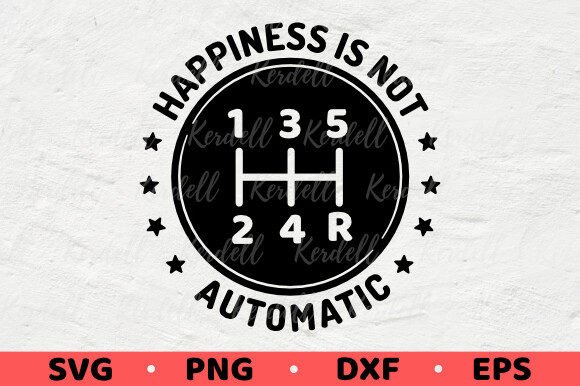
Manual Gear, Happiness is Not Automatic is an illustration that leans into minimalism without sacrificing detail. The layout is balanced, with a central gear surrounded by a phrase that feels both motivational and grounded. The shapes are precise, and the overall composition suggests a design that’s meant to be embroidered, not just printed. It has a visual rhythm that makes it ideal for custom apparel, baby items, or even small shop merchandise.
The theme is straightforward but powerful. It’s a design that could fit well in a workshop, a home office, or as part of a branded collection. The color palette is versatile, allowing for multiple interpretations depending on the fabric and thread choices. Whether you’re working on a tote bag design or a sweatshirt embroidery, this illustration has the potential to stand out without overwhelming the piece.
Real-World Embroidery Performance
Testing Manual Gear, Happiness is Not Automatic on different fabrics and project types gave me a clear sense of how it performs. On a standard cotton t-shirt, the design looked sharp, with clear lines and a polished finish. The stitch density was appropriate, and the overall look was professional enough for a handmade product or a commercial embroidery project.
When I tried it on a lighter fabric, like a linen tote bag, the design still held up well. However, I noticed that the contrast between the thread colors and the fabric became more important. For dark fabrics, a bold thread color made the design pop, while on light backgrounds, a softer tone kept it elegant and understated.
For baby items, such as a onesie or a blanket, the design’s simplicity worked well. It wasn’t too busy, which is essential for children’s clothing. The design also translated nicely into an embroidered patch, where the details remained intact and the overall look was cohesive.
Where to Use It Carefully
While Manual Gear, Happiness is Not Automatic is versatile, there are a few areas where caution is needed. On small hoop sizes, the design may require some adjustment to ensure all elements are visible. If you're working with textured fabrics or stretchy materials, the stitching might not sit as smoothly, so testing on scrap fabric is crucial.
On thin or dark fabrics, the design can sometimes appear less defined, especially if the thread color doesn’t contrast well. For curved surfaces like caps or hats, the design might need slight modifications to maintain its shape and clarity. Tiny lettering or intricate corners could be challenging, so checking the file at full scale before stitching is a smart move.
For layered garments or products that will see frequent washing, the design’s durability should be tested. Using the right stabilizer and ensuring proper stitch density can help prevent distortion over time.
Impact on Visual Appeal and Customer Perception
Manual Gear, Happiness is Not Automatic has a strong visual appeal that can elevate any project. Its clean lines and thoughtful layout make it easy to integrate into various design assets, whether you're creating a printable mockup or a digital embroidery file for sale.
From a customer perspective, this design feels meaningful. It’s not just a graphic—it tells a story. This can increase the perceived value of a handmade product or a personalized gift. When used effectively, it can enhance brand consistency, especially for businesses that focus on motivational or lifestyle themes.
For Etsy sellers and small shop owners, this design offers a great opportunity to create unique, high-quality items that stand out. It’s also a solid choice for holiday embroidery, wedding gifts, or boutique branding. The design’s versatility makes it a valuable addition to any embroidery project portfolio.
Practical Designer Notes
Before finalizing any project with Manual Gear, Happiness is Not Automatic, I recommend testing it on different fabrics and in various settings. Check the thread color contrast, review the stitch density, and confirm the hoop size required for your machine. Small details matter, especially when working on delicate or complex designs.
Consider how the design looks in black and white mockups, as this can give you a better idea of its structure and balance. Compare it against both light and dark fabric backgrounds to ensure it remains legible and visually appealing. Always use the proper stabilizer for the fabric type, and double-check the licensing terms before selling finished items or digital products.
This design is best suited for custom apparel, embroidered patches, tote bags, and other craft business items. It’s a solid choice for both personal and commercial projects, provided you take the time to test and refine it for your specific needs.
Final Thoughts
Manual Gear, Happiness is Not Automatic is more than just an illustration—it’s a design that invites engagement. Its simplicity, clarity, and thematic depth make it a strong candidate for a wide range of embroidery projects. Whether you're an experienced designer or just starting out, this design offers practical value and creative flexibility.
It’s a great example of how a well-crafted illustration can translate into real-world applications, from handmade products to commercial embroidery. With the right approach, it can become a staple in your design arsenal and a favorite among your clients and customers.