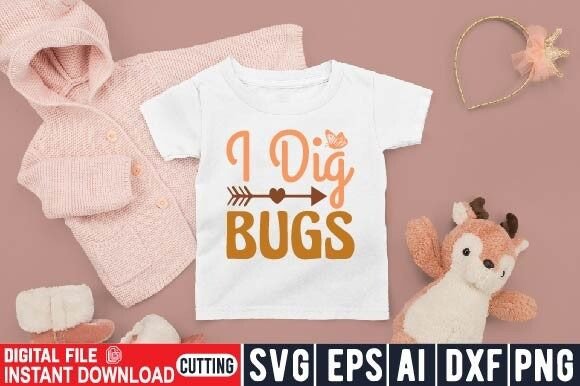
I Dig Bugs
As an embroidery designer and product reviewer, I often find myself evaluating new designs with a critical eye, especially when they’re intended for real-world use in custom apparel, handmade products, or commercial embroidery projects. The I Dig Bugs SVG cut file is one such design that caught my attention—not just for its aesthetic appeal but for how it might translate into a finished product. Let’s dive into what this design offers and how it could fit into your creative workflow.
The First Impression: A Playful, Nature-Inspired Design
From the moment I viewed I Dig Bugs, I was struck by its whimsical and nature-themed character. The design features a collection of bugs—beetles, ladybugs, and other small creatures—arranged in a way that feels both playful and cohesive. The shapes are clean, the layout is balanced, and the overall mood is light and fun. This makes it ideal for projects aimed at children, nature lovers, or anyone looking to add a touch of charm to their embroidered items.
The detail level is moderate, which means it’s not overly complex but still has enough visual interest to stand out. It’s the kind of design that would work well on t-shirts, tote bags, or baby clothes, where the message or theme needs to be clear without being overwhelming.
Real-World Embroidery Performance
When considering I Dig Bugs for actual embroidery use, I imagine it being used in a variety of settings—from custom apparel to personalized gifts. For example, if you were creating a custom embroidered tote bag for a local boutique, this design could be a great fit. Its size and shape make it suitable for medium-sized hoops, and the layout allows for easy placement on a variety of surfaces.
However, there are a few considerations. If you're working with smaller hoop sizes, you may need to adjust the design or split it into sections. Similarly, on textured or stretchy fabrics, the stitches might not lie as flat as they would on a smooth cotton fabric. That said, with the right stabilizer and proper technique, I Dig Bugs should hold up well in most standard embroidery scenarios.
Where to Use It Carefully
While I Dig Bugs is versatile, there are some situations where it might require extra attention. On dark fabrics, the thread color contrast becomes crucial. If the design uses light-colored threads, it may not show up as clearly as it would on a white or light background. You’ll want to test it on different fabric types before committing to a large project.
Also, if you’re planning to use it on curved surfaces like caps or hats, the design’s corners and edges may need some adjustment to ensure they sit properly. Tiny lettering or intricate details could be lost in dense stitch areas, so it’s worth checking the stitch density and ensuring the design is optimized for the intended application.
Impact on Visual Appeal and Customer Perception
One of the biggest advantages of I Dig Bugs is its ability to enhance the visual appeal of any embroidered item. Whether it’s a sweatshirt, a baby onesie, or a holiday gift, the design adds a sense of personality and charm. Customers often respond positively to unique, thematic elements, and this design could help set your products apart in a crowded market.
From a business perspective, using I Dig Bugs can also boost customer trust. A well-executed embroidery project with clear stitching and good design execution signals professionalism and quality. For small shop owners or Etsy sellers, this can make a big difference in how your products are perceived and valued.
Practical Tips for Using I Dig Bugs
Before jumping into a full production run, here are a few practical tips to keep in mind:
- Test on scrap fabric to see how the design looks in real life and how the stitches behave on your chosen material.
- Check thread color contrast against the fabric background to ensure visibility and clarity.
- Review stitch density to avoid issues with puckering or distortion, especially on delicate fabrics.
- Confirm hoop size requirements to make sure the design fits your machine’s capabilities.
- Inspect small details to ensure they’re sharp and well-defined, especially if the design includes fine lines or patterns.
- Test black and white mockups to see how the design translates in different formats and lighting conditions.
- Use proper stabilizer to prevent shifting or stretching during the embroidery process.
- Verify licensing if you plan to sell finished items or digital products, to avoid any legal complications.
Best Fits for I Dig Bugs
I Dig Bugs seems to shine in projects that emphasize creativity, playfulness, and personalization. It’s perfect for:
- Custom apparel, like t-shirts and sweatshirts
- Baby clothes and nursery decor
- Holiday and seasonal embroidery projects
- Personalized gifts, such as embroidered patches or tote bags
- Small business merchandise and craft fair products
- Etsy listings and printable mockups for digital product previews
It’s also a solid choice for designers looking to expand their library of machine embroidery designs or digital embroidery files. With a little tweaking and testing, it can become a valuable asset in your creative toolkit.
Final Thoughts
In the world of embroidery, having a reliable and versatile design like I Dig Bugs can make all the difference. It’s not just about the look—it’s about how it performs in real-life applications, how it resonates with customers, and how it fits into your broader creative strategy. As a designer, I appreciate a design that’s thoughtful, adaptable, and easy to work with, and I Dig Bugs delivers on those fronts.