Childhood Cancer Awareness Design
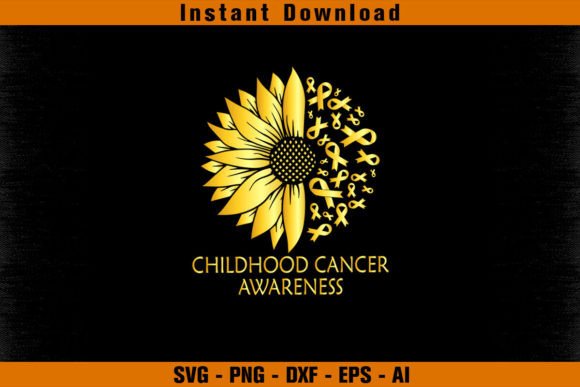
The Childhood Cancer Awareness Design is a powerful visual statement that combines simplicity with emotional depth. Featuring a sunflower, a symbol often associated with hope and resilience, the design is ideal for embroidery projects that aim to make a meaningful impact. Its clean lines and straightforward composition make it versatile for various applications, from personal items to commercial products.
First Impressions and Visual Personality
As an experienced designer, the first thing I notice about the Childhood Cancer Awareness Design is its ability to convey a strong message without being overwhelming. The sunflower shape is well-proportioned, and the layout feels balanced. It’s not overly detailed, which makes it suitable for a wide range of embroidery styles, including satin stitch, fill stitch, and even running stitch. The design has a soft, approachable feel that works well for both casual and more formal settings.
This design naturally belongs in projects that emphasize positivity and support, such as custom apparel, baby items, or personalized gifts. It’s also a great fit for small business merchandise, especially those focused on charitable causes or community support.
Real-Life Embroidery Performance
When considering the practical use of the Childhood Cancer Awareness Design in real-life embroidery situations, it performs well across multiple mediums. For example, when used on a tote bag, the design stands out without appearing too busy. On a sweatshirt or t-shirt, it adds a subtle yet impactful touch that complements the garment without overpowering it.
For baby clothes, the design is gentle and appropriate, making it a good choice for onesies, blankets, or nursery decor. On caps or hats, the sunflower maintains its clarity, though care must be taken with curved surfaces to ensure the design doesn’t distort during stitching.
In terms of commercial embroidery, this design could be a valuable asset for craft businesses, Etsy sellers, or small shop owners looking to offer meaningful, high-quality handmade products. Its simplicity allows for easy customization, and the design can be adapted for different color schemes or fabric types.
Where to Use With Caution
While the Childhood Cancer Awareness Design is generally versatile, there are certain scenarios where it may require careful consideration. For instance, using it on small hoop sizes might limit the detail, especially if the design includes intricate elements. Textured fabrics or thin materials could also affect the visibility of the stitches, so testing on scrap fabric is always recommended.
On dark fabrics, the contrast between the design and the background may need adjustment, depending on the thread colors chosen. Similarly, stretchy or layered garments may require additional stabilizer to prevent distortion during the embroidery process.
Products that undergo frequent washing, such as kitchen towels or aprons, should be tested for durability. If the design includes dense stitch areas, it may be prone to wear over time, so selecting the right stabilizer and stitch density is crucial.
Impact on Visual Appeal and Customer Perception
The Childhood Cancer Awareness Design enhances the visual appeal of any project it’s used on. Its clean, recognizable form makes it immediately legible, which is essential for customer engagement. When used on handmade products, it adds a sense of professionalism and thoughtfulness, reinforcing the value of the finished item.
For small business owners, this design can be a strong selling point. Customers often appreciate the emotional connection that comes with meaningful embroidery, and the Childhood Cancer Awareness Design offers that in a subtle yet powerful way. It also supports brand consistency, especially for businesses focused on charity, wellness, or community initiatives.
Practical Designer Notes
Before finalizing any project with the Childhood Cancer Awareness Design, I recommend testing it on scrap fabric to assess how the stitches look on your specific material. Checking thread color contrast is also important—especially if you’re working with dark or light backgrounds.
Reviewing the stitch density ensures that the design won’t appear too heavy or too light. Confirming the correct hoop size will help avoid issues with the design’s proportions. Inspecting small details like corners or lettering can prevent unexpected results during the embroidery process.
Testing the design in black and white mockups helps visualize how it will look on different fabric types. Comparing it against both light and dark backgrounds can guide your color choices. Using the proper stabilizer is key, especially for delicate or stretchy fabrics.
Finally, always check whether the design is suitable for both personal and commercial use, and confirm the licensing terms before selling finished items or digital products. This ensures that your work remains compliant and protects your business from potential issues.
Conclusion: A Meaningful Addition to Your Embroidery Kit
The Childhood Cancer Awareness Design is a thoughtful and effective embroidery file that can elevate a wide range of projects. Whether you're creating custom apparel, personalized gifts, or small business merchandise, this design offers both aesthetic and emotional value. Its simplicity and adaptability make it a reliable choice for designers and crafters looking to make a positive impact through their work.
By considering the practical aspects of its use and following best practices for embroidery, you can ensure that the Childhood Cancer Awareness Design shines in every finished product. It’s a great example of how a well-designed embroidery file can turn a simple idea into something truly meaningful.